
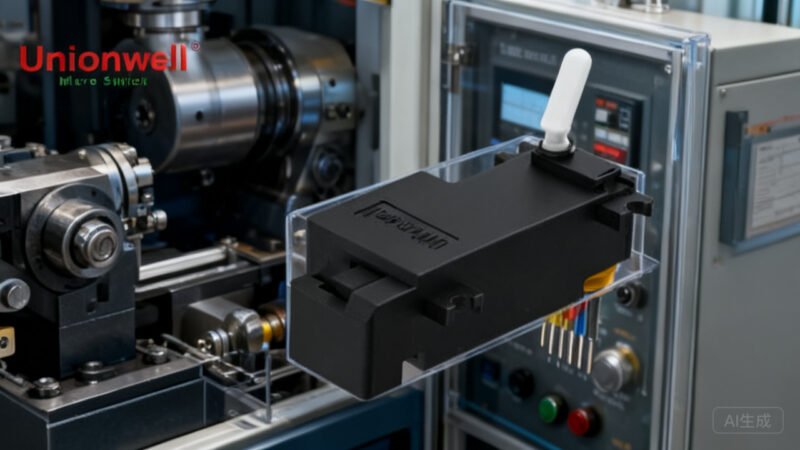
In the intricate world of industrial automation, safety systems, and sophisticated machinery, the reliability of foundational components is paramount. Among these, micro switches and limit switches stand out as indispensable workhorses, ensuring precise control, accurate positioning, and critical safety interlocks. For businesses relying on robust and consistent operational performance, understanding the nuances of these components, particularly those designed for challenging environments, is crucial. This article delves into the significance of advanced micro and limit switches, highlighting their types, applications, and the benefits of partnering with a specialized manufacturer.
Micro switches, characterized by their snap-action mechanism, are small yet powerful electromechanical devices designed to make or break an electrical circuit with a precise and repeatable action. Their compact size, high repeatability, and ability to handle significant electrical loads make them ubiquitous across a vast array of industries. From consumer electronics and automotive systems to heavy machinery and medical devices, micro switches provide critical feedback and control. Their “snap-action” ensures a rapid change in contact state, minimizing arcing and extending operational life, a vital feature in high-cycle applications.
- Precision: Consistent actuation points for reliable operation.
- Durability: Engineered for millions of operational cycles.
- Versatility: Available in numerous configurations of actuators, operating forces, and terminal types.
- Compact Design: Enables integration into space-constrained applications.
Limit Switches: The Sentinels of Automation
Building upon the principles of micro switches, limit switches are specifically designed for industrial environments to detect the presence or absence of an object, or to monitor the position of moving parts within a machine. They are robust, often housed in protective enclosures, and play a critical role in automation, safety, and process control. Limit switches act as physical sensors, providing feedback to programmable logic controllers (PLCs) or other control systems, thereby initiating, stopping, or altering machine functions. Their applications range from conveyor systems and machine tools to elevators and material handling equipment.
Key Functions of Limit Switches:
- Position Sensing: Accurately determine the end-of-travel or specific positions of mechanical components.
- Safety Interlocks: Prevent machine operation if guards are open or parts are not in a safe position.
- Sequence Control: Ensure that machine operations occur in the correct order.
- Counting: Register the passage of objects on a production line.
Conquering Harsh Environments: The Imperative of waterproof micro switches
Not all industrial environments are benign. Dust, moisture, oil, chemicals, and extreme temperatures can severely compromise the performance and lifespan of standard switches. This is where waterproof micro switches become indispensable. Engineered with robust sealing mechanisms, often achieving IP67 or even higher ingress protection ratings, these switches are designed to operate reliably in the most demanding conditions. An IP67 rating, for instance, signifies complete protection against dust ingress and protection against the effects of temporary immersion in water (up to 1 meter for 30 minutes).
Applications for Waterproof Micro Switches Include:
- Outdoor Equipment: Agricultural machinery, construction vehicles, utility control boxes.
- Marine Applications: Boats, offshore platforms, underwater robotics.
- Food & Beverage Processing: Equipment requiring frequent wash-downs.
- Medical Devices: Sterilization equipment, diagnostic tools.
- Industrial Washing Systems: Car washes, parts cleaning machines.
- Automotive: Engine compartments, door latches, exterior lighting controls.
The specialized construction of waterproof switches typically involves high-grade sealing materials, epoxy potting, and precision-molded housings to prevent ingress of contaminants, ensuring consistent electrical contact and preventing premature failure due to environmental degradation.
The Strategic Advantage of Partnering with a Specialized micro switch manufacturer
For B2B clients, the choice of a micro switch or limit switch manufacturer extends beyond mere product specifications. It’s about securing a reliable supply chain, ensuring compliance, and leveraging expertise. A specialized manufacturer offers several critical advantages:
1. Uncompromising Quality and Reliability:
Reputable manufacturers adhere to stringent quality control processes, from raw material selection to final product testing. This commitment ensures that each switch delivers consistent performance, high repeatability, and a long operational lifespan, minimizing downtime and maintenance costs for end-users. Certifications like UL, CE, RoHS, and CQC are indicators of adherence to global safety and environmental standards.
2. Precision Engineering and Innovation:
Leading manufacturers invest heavily in research and development, constantly refining designs and materials to enhance performance, reduce size, and improve environmental resistance. Their expertise allows for the production of switches with precise operating forces, minimal differential travel, and robust contact mechanisms.
3. Customization and Design Flexibility:
Many industrial applications have unique requirements. A dedicated manufacturer can offer extensive customization options, including specific actuator types (lever, roller, plunger), terminal configurations (solder, quick connect, wire leads), operating forces, and housing materials, ensuring the perfect fit for specialized designs.
4. Technical Support and Expertise:
Beyond providing products, a specialized manufacturer offers invaluable technical support. Their engineers can assist with product selection, application design, troubleshooting, and compliance, acting as a true partner in your development process.
5. Cost-Effectiveness Through Longevity:
While initial costs might vary, investing in high-quality, durable switches from a reputable source often results in significant long-term savings. Reduced failure rates, fewer replacements, and minimized production interruptions contribute to a lower total cost of ownership.
Selecting the Right Switch: Key Considerations
When specifying micro or limit switches for your application, consider the following:
- Electrical Rating: Voltage and current requirements (AC/DC).
- Operating Force: The force required to actuate the switch.
- Actuator Type: Lever, plunger, roller lever, etc., depending on the mechanical interaction.
- Environmental Sealing: IP rating for dust and water protection, temperature range.
- Lifespan: Mechanical and electrical endurance (number of cycles).
- Contact Configuration: Normally Open (NO), Normally Closed (NC), or Changeover (SPDT).
- Mounting Options: Panel mount, PCB mount, screw mount.
- Certifications: Ensure compliance with relevant industry standards.
Conclusion
Micro switches, limit switches, and their specialized waterproof variants are far more than simple components; they are critical enablers of precision, safety, and efficiency across countless industrial and commercial applications. For B2B stakeholders, selecting the right switch from a reputable manufacturer is a strategic decision that impacts operational reliability, product longevity, and ultimately, the bottom line. By prioritizing quality, leveraging technical expertise, and understanding the specific demands of their operating environments, businesses can ensure their systems are equipped with the robust and reliable control mechanisms necessary to thrive in today’s demanding industrial landscape.