
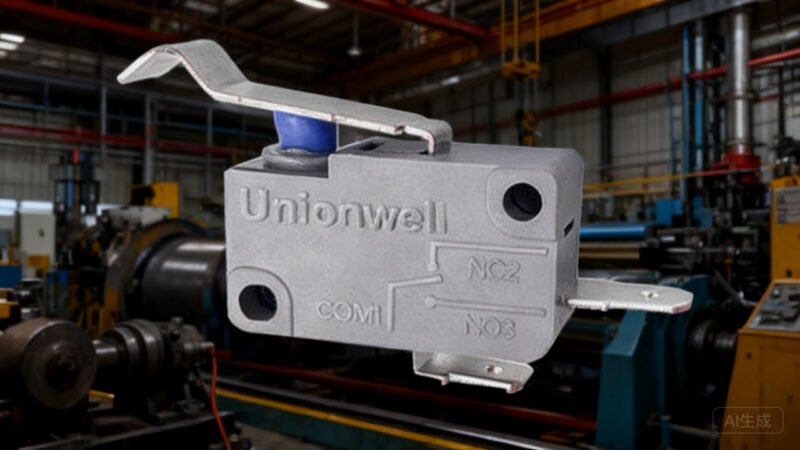
In the intricate landscape of modern industrial automation and advanced electronics, the humble micro switch often operates as an unsung hero. These compact, high-precision devices are fundamental to the reliable functioning of countless systems, from consumer appliances to heavy machinery. Their ability to deliver consistent, repeatable actions makes them indispensable for control, safety, and operational efficiency across a vast spectrum of B2B applications. Understanding the nuances of micro switch technology, the importance of selecting a reputable micro switch manufacturer, and the specific advantages of variants like limit switches and waterproof micro switches is crucial for engineers, product designers, and procurement professionals.
At its heart, a micro switch is a small, snap-action electrical switch characterized by its quick, decisive switching action. It employs an over-center mechanism that ensures a rapid change of contact state, regardless of the speed of the actuator. This ‘snap-action’ not only provides a distinct tactile and audible feedback but also minimizes arcing, thereby extending the switch’s electrical life. Designed for high reliability and repeatability, micro switches are engineered to withstand millions of operational cycles, making them ideal for applications requiring precise detection or control over extended periods.
Ubiquitous Applications: Where Micro Switches Make a Difference
The versatility of micro switches allows them to be integrated into an astonishing array of products and systems:
- Industrial Automation: Essential for position sensing, safety interlocks on machinery guards, conveyor system control, and robotic arm limit detection.
- Automotive: Used in door latches, seat belt sensors, gear shift mechanisms, and brake pedal switches, ensuring safety and functionality.
- Home Appliances: Found in microwaves, washing machines, refrigerators, and dishwashers for lid detection, door interlocks, and function selection.
- Medical Devices: Critical for patient monitoring equipment, surgical tools, and drug delivery systems where precision and reliability are paramount.
- HVAC Systems: Employed in thermostats, damper controls, and fan speed selectors.
- Test & Measurement Equipment: Providing accurate feedback for calibration and operation.
The Critical Role of a Reliable micro switch manufacturer
The performance and longevity of any product heavily depend on the quality of its components. This is particularly true for micro switches, where failure can lead to significant operational disruptions, safety hazards, or costly repairs. Partnering with an experienced and reputable micro switch manufacturer is therefore paramount. Such manufacturers distinguish themselves through:
- Rigorous Quality Control: Adherence to international standards (e.g., ISO, UL, CE) and comprehensive testing protocols ensure consistent performance and durability.
- Advanced R&D Capabilities: Continuous innovation to meet evolving industry demands, offering custom solutions and specialized designs.
- Material Excellence: Utilizing high-grade contacts, robust housings, and precision-engineered internal components for extended operational life.
- Supply Chain Reliability: Ensuring consistent availability and timely delivery of components, critical for lean manufacturing processes.
- Technical Support: Providing expert guidance on selection, integration, and troubleshooting.
Manufacturers like Unionwell, for instance, have built a reputation on their commitment to precision engineering and robust component design, offering a range of micro switches tailored for demanding industrial environments.
Specialized Control: Understanding the Limit Switch
While all limit switches are inherently micro switches in their fundamental switching mechanism, the term ‘limit switch’ typically refers to a more robust, often larger device designed specifically for position sensing in heavy-duty industrial applications. These switches are engineered to detect the presence or absence of an object, the end of travel of a moving part, or to monitor specific positions within a mechanical system. They often feature:
- Robust Housings: Built to withstand harsh industrial environments, including impacts, vibrations, and exposure to contaminants.
- Diverse Actuators: A wide range of actuator types, such as roller plungers, rotary levers, and whisker arms, to accommodate various mechanical interfaces.
- Higher Electrical Ratings: Designed to handle larger currents and voltages common in industrial machinery.
Limit switches are indispensable for machinery safety, automation sequence control, and feedback systems in applications ranging from conveyor belts and CNC machines to cranes and elevator systems.
Conquering the Elements: The waterproof micro switch
For applications exposed to moisture, dust, oils, or corrosive agents, a standard micro switch simply won’t suffice. This is where the waterproof micro switch becomes indispensable. These specialized switches are engineered with sealed enclosures and often employ O-rings, epoxy potting, or other sealing methods to prevent the ingress of environmental contaminants. Their protection level is typically defined by an Ingress Protection (IP) rating, with IP67 being a common standard, indicating complete protection against dust and the effects of temporary immersion in water.
Key applications for waterproof micro switches include:
- Outdoor Equipment: Agricultural machinery, construction vehicles, lawnmowers, and outdoor lighting.
- Marine Applications: Boats, jetskis, and other watercraft where exposure to saltwater is constant.
- Food & Beverage Processing: Equipment requiring frequent washdowns and sterilization.
- Automotive Under-Hood: Engine compartments and other areas exposed to splash, dust, and varying temperatures.
- Medical & Laboratory: Devices requiring sterilization or operating in cleanroom environments.
The reliability of a waterproof micro switch ensures continuous operation and prevents system failures in challenging conditions, significantly extending the lifespan of the equipment it controls.
Key Considerations When Selecting Your Micro Switch
Choosing the correct micro switch involves a careful evaluation of several factors to ensure optimal performance and longevity:
- Electrical Ratings: Match the switch’s voltage and current capacity to the circuit requirements to prevent overload and premature failure.
- Operating Force: Consider the force required to actuate the switch. This impacts the design of the mechanical interface and the overall user experience or system sensitivity.
- Actuator Type: Select from a variety of actuator styles (pin plunger, lever, roller lever, simulated roller, etc.) based on the mechanical movement it needs to detect.
- Terminal Configuration: Determine the most suitable connection method, such as solder terminals, quick-connect terminals, or wire leads, for ease of integration and reliability.
- Environmental Conditions: Assess temperature range, presence of dust, moisture, chemicals, or vibration. This will guide the choice between standard, sealed, or waterproof micro switch variants.
- Mechanical & Electrical Life: Specify the required number of cycles to ensure the switch meets the product’s expected lifespan without premature wear.
- Certifications: Verify that the switch meets relevant industry standards and safety certifications (e.g., UL, CE, RoHS, CQC) for market compliance and quality assurance.
- Customization Options: For unique applications, inquire about a manufacturer’s ability to provide custom designs, materials, or specifications.
Conclusion
Micro switches, in all their forms – from standard snap-action devices to robust limit switches and resilient waterproof micro switch variants – are critical components that underpin the reliability and functionality of countless industrial and commercial systems. Their small size belies their immense importance. By understanding their operational principles, diverse applications, and the crucial factors in their selection, businesses can make informed decisions. Partnering with a reputable micro switch manufacturer committed to quality, innovation, and customer support is not just a choice, but a strategic imperative for ensuring the long-term success and safety of your products and operations.