A DPDT limit switch (double pole double throw) contains two independent sets of changeover contacts driven by a single actuator. Each pole switches between a normally open (NO) and a normally closed (NC) contact, so one mechanical movement controls two separate circuits — for example stopping a drive motor while signalling a controller that the end position has been reached.
A DPDT limit switch (double pole double throw) contains two independent sets of changeover contacts driven by a single actuator. Each pole switches between a normally open (NO) and a normally closed (NC) contact, so one mechanical movement controls two separate circuits — for example stopping a drive motor while signalling a controller that the end position has been reached.
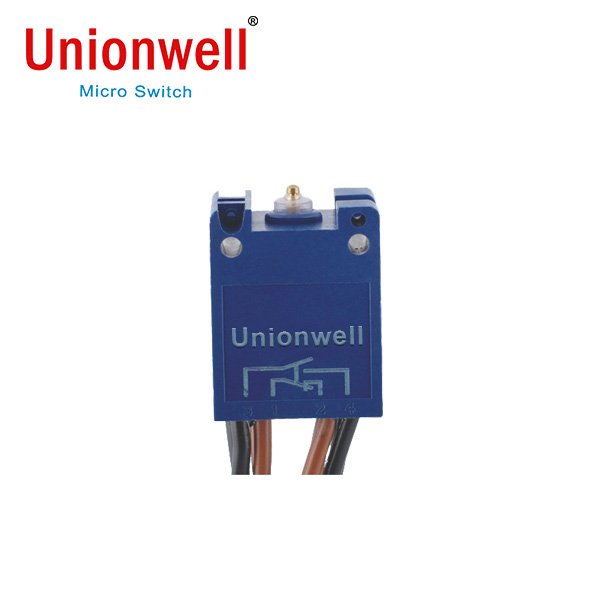
Unionwell DPDT limit switches pair a snap-action contact mechanism with a sealed or dustproof housing, giving repeatable operating points, low contact resistance and long mechanical life in industrial, appliance and automotive equipment.
How a DPDT limit switch works
Pressing the lever or plunger moves a common actuator blade. At the operating point the snap-action mechanism transfers both poles at once, so all six terminals change state together. Because the two poles are mechanically linked rather than electrically coupled, each can carry an independent circuit while staying synchronised — even after millions of operations.
Key specifications
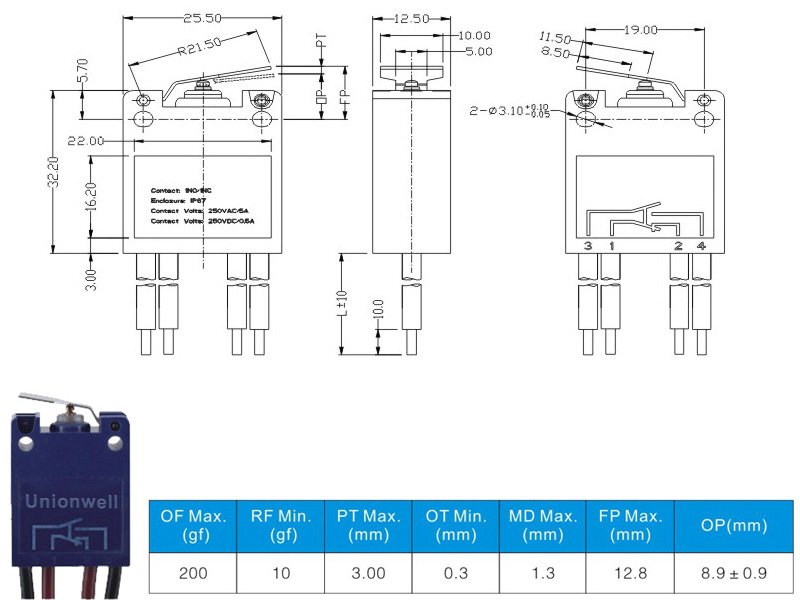
The table below lists the electrical and mechanical characteristics of this DPDT limit switch. Ratings, operating force, lever type and sealing class can all be customised for volume projects.
Largement appliqué dans le contrôle industriel etc.
Les paramètres du commutateur limite DPDT
Évaluation
05
0.5A 250VDC
0.5A/5A 250VAC
Fréquence de fonctionnement
Électrique
10 ~ 30 cycles/minute
Mécanique
120 cycles/minute
Résistance au contact(initiative)
30 ~ 100 m. Max (dépend sur P/Ns, résistance au fil à l'exclusion)
Résistance à l ' isolement
à 500 VDC, 100 M Min.
Résistance diélectrique
AC 750VAC RMS (50-60HZ)
Température de stockage
-25°C~+85°C
Humidité de stockage
85%RH Max
Durée de vie
Électrique
50 000 cycles (dépend des P/N)
Mécanique
2 000 000 cycles
Poids unitaire net
Environ 110g(8 fils)
Notre avantage
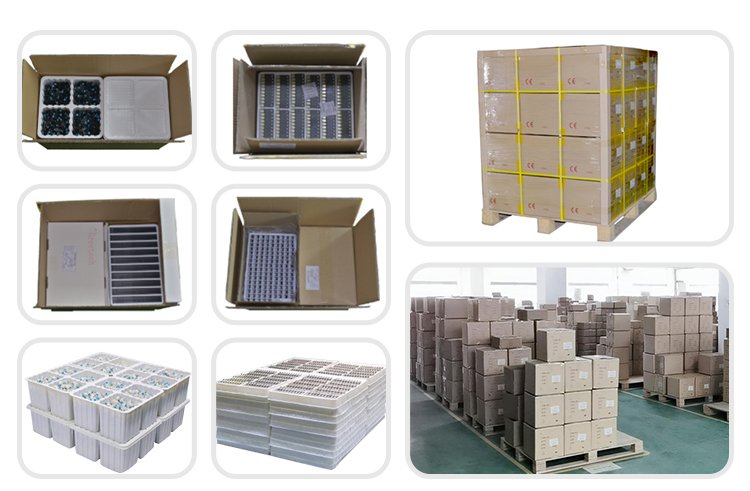
Emballage
Livraison
FAQ
Pouvez-vous accepter OEM ou ODM?
Oui, nous avons une solide équipe de R&D. Nous avons une riche expérience en OEM& ODM.
Avez-vous des brevets de microswitch ?
Oui, nous avons plus de 200 brevets de microswitch.
Combien d'employés sont dans votre usine ?
Il y a actuellement plus de 600 employés dans notre usine.
Combien d'ingénieurs sont dans votre département R&D?
Une soixantaine d'ingénieurs du département R&D, dont la moitié possèdent plus de 20 ans d'expérience en micro-interrupteurs.
Quelle est la capacité par mois ?
Plus de 8 millions de pièces par mois pour la série de micro-interrupteurs. Plus de 20 millions de pièces par mois pour la série de commutateurs de clavier.
Typical DPDT limit switch applications
End-of-travel and position detection on machine tools, conveyors and hoists
Safety interlocks on doors, guards and machine covers
Two-circuit control in appliances such as washing machines and dryers
Automotive position sensing for seats, door locks and charging port actuators
Industrial automation, lifts and material handling equipment
How to choose a DPDT limit switch
Configuration du contact — confirm you need two changeover poles (DPDT) rather than a single pole (SPDT) or a double-pole on/off (DPST).
Puissance électrique — match switching current and voltage to the load; inductive and inrush loads need extra margin.
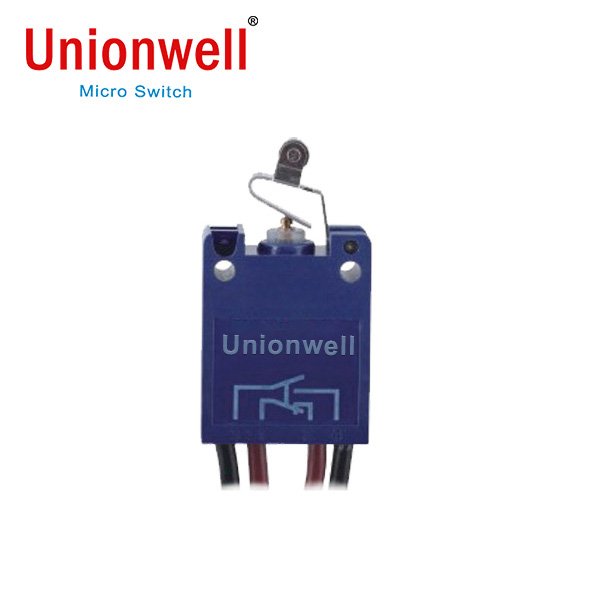
Actuator type — pin plunger, roller lever, simulated roller or long leaf lever, chosen for the travel your mechanism provides.
Force opérationnelle et voyages — OF, pretravel (PT) and overtravel (OT) must fit the mechanical design.
Étalonnage — IP40 in clean environments, IP67 where dust or moisture is present.
Résiliation — PCB pins, solder lugs, or pre-wired leads with a connector.
DPDT stands for double pole double throw. The switch has two common terminals, and each one switches between a normally open and a normally closed contact, so a single actuator controls two circuits.
What is the difference between a DPDT switch and a DPST switch?
A DPST switch only opens and closes two circuits. A DPDT switch also has a second contact position per pole, so it can change a circuit over rather than simply break it.
Can Unionwell supply a custom DPDT limit switch?
Yes. Levers, terminals, cable lengths, operating force and sealing class are all customised for volume orders, and evaluation samples are available.
How do I confirm the right operating force?
Send the drawing or the target actuation force and travel. Our engineers will recommend a configuration and supply samples for testing.